PP 3: Digital and Media Literacy
My Definition of Digital and Media Literacy
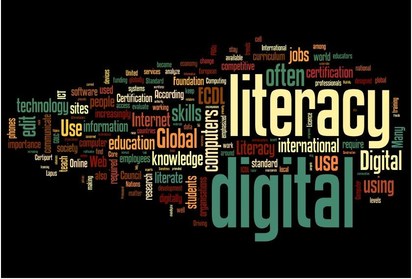
Digital media literacy is often understood as the ability to access, understand and participate or create content using digital media. The developments in digital technology have had significant effects on the way individuals interact with communications and media services. An increasingly wide range of sources of information, ways of doing business, services (including government services) and entertainment are now commonly made available and accessed online and/or through digital media.
Social Media
Many sources receive most of their news, opinions, and even "facts" from social platforms. Without strong digital literacy, its hard to tell the difference between a credible source and something designed to manipulate emotions or spread lies. Literacy helps users recognize bias, spot manipulation tactics, and engage responsibly.
Misinformation and Disinformation
Fake news spreads faster than real news online. Media literacy gives people the skills to fact-check, verify sources, and think critically before believing (or sharing) something. It acts like a shield against propaganda. conspiracy theories, and harmful rumors.
Fake News Example
AI Tools
With AI generating text, images, deepfakes, and even fake voices, it's becoming even harder to know what's real. Digital literacy helps people understand how AI works (and its limits), recognize synthetic media, and ask smart questions about authenticity and intent.
In Short:
Digital and media literacy empowers individuals to navigate, analyze, question, and use technology and information thoughtfully - which is absolutely essential for democracy, mental health, social trust, and informed decision-making.
Evolution of Media Literacy
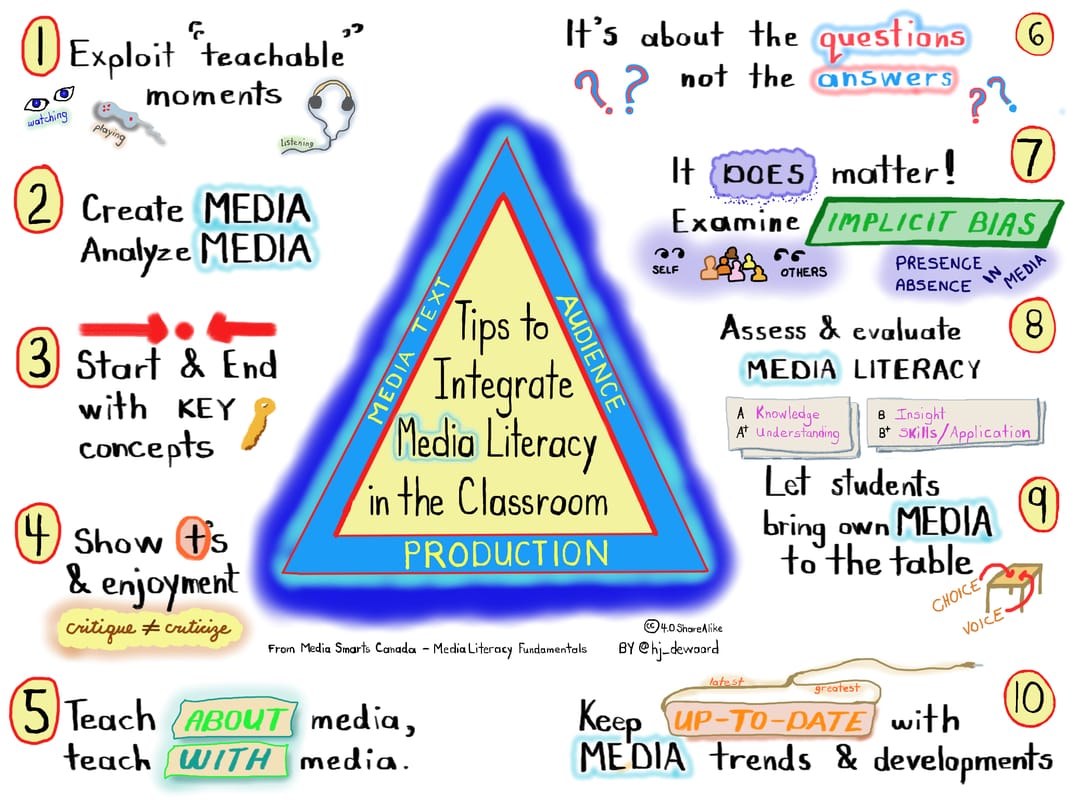
Media literacy has evolved massively from the days of just analyzing newspapers to what we now call critical internet consumption.
Newspaper Era:
Media literacy mostly meant understanding bias in printed news- spotting opinion vs. fact, identifying editorial slants, and recognizing persuasive language. It was about close reading and critical thinking applies to relatively slow-moving, curated information.
As tv and radio became more dominate, media literacy expanded to visual and audio literacy - understanding how images, sounds, and editing influence emotions and opinions. Individuals had to learn about entertainment vs. journalism, advertising tricks, and the invisible influence of production choices.
Social Media
With platforms such as Facebook, YouTube, Instagram, and Twitter (X), media literacy became about participatory culture recognizing echo chambers, algorithmic influence, viral misinformation, influencer marketing, and the blending of personal and public voices.
Today (AI, Deepfakes, Hyper-speed information)
Now, media literacy includes understanding AI-generated content, detecting deepfake media, spotting bot accounts, questioning algorithmic bias, and managing information overload. It's no longer just about "is it true" but also "who made this, why would they, and how is it affecting me psychologically?"
The importance of Digital Media Literacy
June 8, 2023
In short:
Media literacy evolved from analyzing static, professional sources to navigating a chaotic, user-driven, AI-powered information source.

Comments
Post a Comment